
Posts by LKI Consulting
Geometallurgy: Metal Concentration, Recovery & Refinement
To close out our series on geometallurgy, we are presenting an overview on some highly complex topics that contain a lot of underlying thermodynamics and kinetics (we are unfortunately not going to get super deep into this here), both of which are the natural, best friends of geochemists. What is extractive metallurgy? Extractive metallurgy, unlike…
Read MoreGeometallurgy: Comminution
Comminution is simply the size reduction of particles, and its purpose is to liberate valuable minerals from waste prior to concentration. The product is a mixture of particles that contain the valuable mineral (i.e., ore), gangue minerals (i.e., the commercially worthless material that surrounds, or is closely mixed with, the ore mineral), and locked particles/middlings…
Read MoreGeometallurgy: Texture
A key aspect of geometallurgy is understanding what is the relationship of the mineral(s) of interest to all other minerals? What is texture? The characterization of mineral texture is a major concern for process mineralogists, as liberation characteristics of ore are intimately related to mineralogical texture. What do we mean when we are talking…
Read MoreGeometallurgy: Deportment
More than anything when I first heard about deportment, I liked the word, but I knew nothing about it. Therefore, my natural next step was to ask questions, read some papers, and generally learn more about it. The first thing I learned was that understanding deportment is the key control in the successful extraction, liberation,…
Read MoreGeometallurgy: Penalties and Credits
Blog miniseries along common themes are the best! Through the end of 2023 we are going to dive into geometallurgy from a geochemistry-adjacent perspective (keeping it simple, keeping it relevant, and hoping every geoscientist learns one small thing per blog). The most important thing to remember as we start out is that despite what you…
Read MoreThe fathers of spectroscopy, a series: Albert Einstein
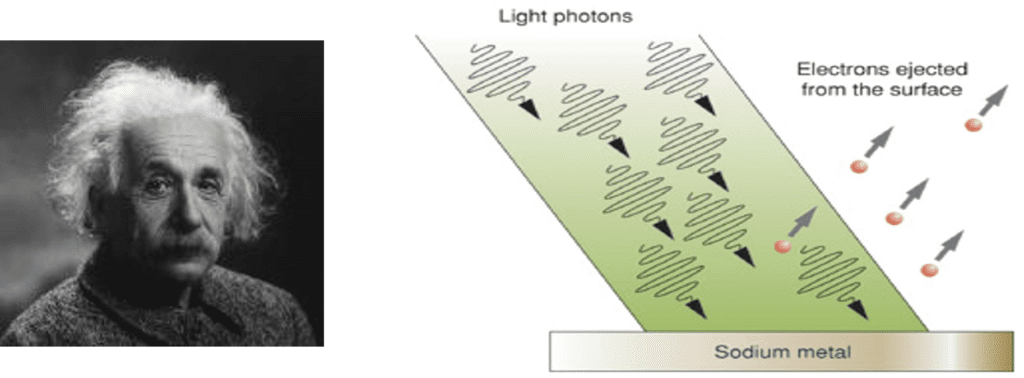
We started off this series with a glass prism and the creation of the visible spectrum (Herschel) and since progressed through theories of light behaving as a wave and light (Maxwell) behaving as a particle (Planck). Now, let’s conclude our series on the fathers of spectroscopy by talking about Albert Einstein and the Photoelectric Effect.…
Read MoreThe fathers of spectroscopy, a series: Max Planck
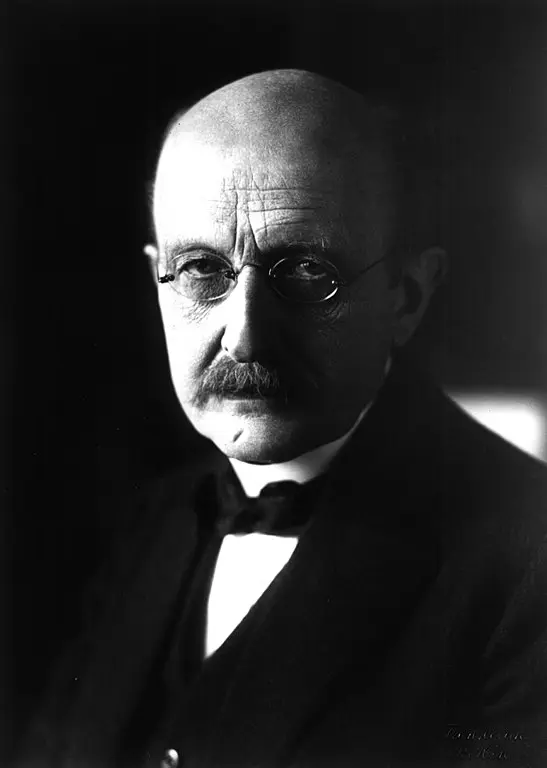
Of the many substantial contributions to theoretical physics, Max Karl Ernst Ludwig Planck’s fame rests heavily on his role as the originator of quantum theory, which revolutionized human understanding (and Marvel movie subplots) of atomic and subatomic processes. The discovery of energy quanta won him the Nobel Prize in Physics in 1918. To add a…
Read MoreThe fathers of spectroscopy, a series: James Clerk Maxwell
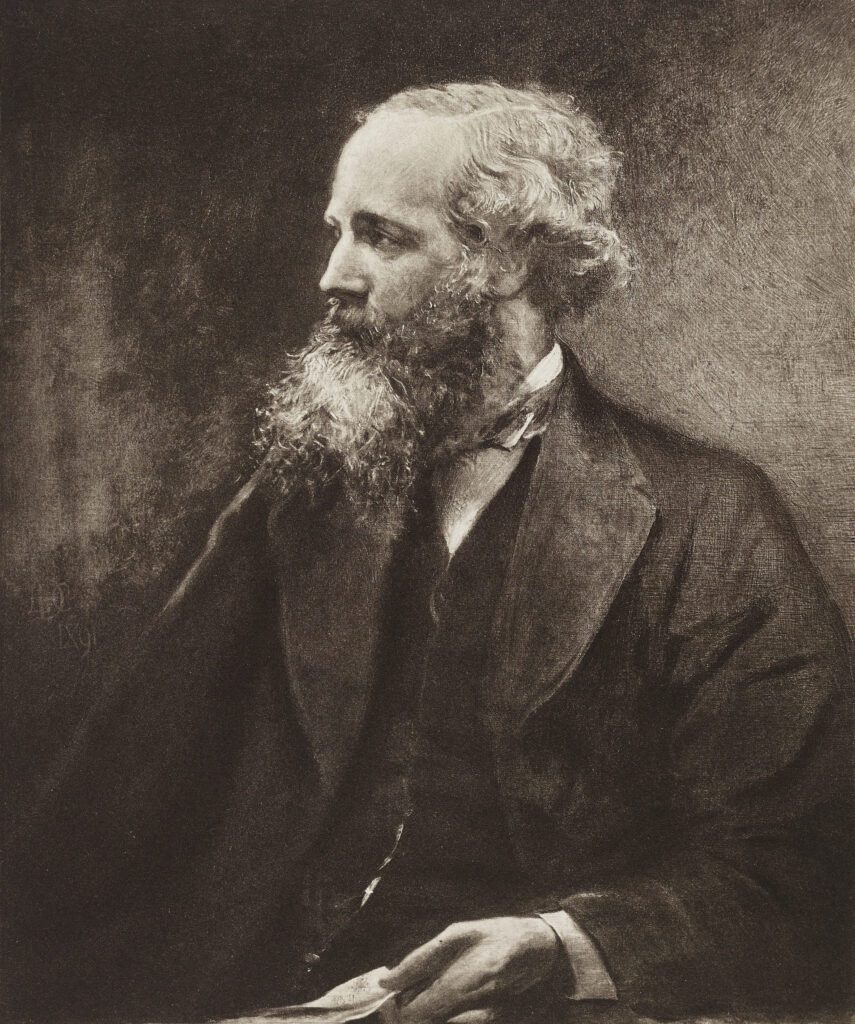
Last post we covered the foundation for which spectroscopy was built, the work of Sir William Herschel, who discovered the infrared through his experiments. Continuing our journey, James Clerk Maxwell was a Scottish mathematician and scientist responsible for the classical theory of electromagnetic (EM) radiation, which was the first theory to describe electricity, magnetism, and…
Read MoreThe fathers of spectroscopy, a series: Sir William Herschel
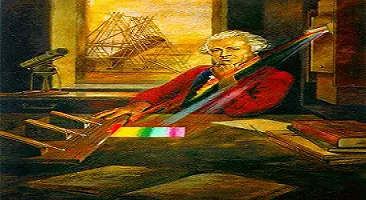
Spectroscopy is the study of the absorption, reflectance, and emission of electromagnetic radiation (e.g., light) by matter, measured as a function of wavelength (or frequency). It is used as a tool for characterizing the structures of atoms and molecules by exploiting the fact that they absorb frequencies that are characteristic of their structure. Readers, while…
Read MoreOrientation Survey: pXRF
pXRF has many applications both within and outside of mining and mineral exploration. In no industry has a vendor ever told a client to take the pXRF, point, shoot, and voilà – you now have a robust dataset that is ready for analysis. This post both builds on our prior pXRF post (where we talked about QA/QC)…
Read More