
Duplicate samples are fundamental to geochemical quality control, but are we always interpreting them correctly? We calculate differences, apply acceptance thresholds and flag results that fall outside expectations. Yet not all duplicates measure the same sources of uncertainty, and not every apparent failure indicates a laboratory problem. Understanding these distinctions is essential to determining whether geochemical data are fit for purpose.
Quality Assurance Starts Before the Laboratory
Quality assurance (QA) and quality control (QC) are often discussed together, but they serve different purposes. QA is preventative, focusing on designing sampling and analytical programs that produce reliable data. This includes selecting appropriate analytical methods, establishing sampling protocols, conducting laboratory audits and documenting procedures. Quality control evaluates the results through reference materials, blanks, duplicates and ongoing performance monitoring.
Much of the responsibility for QA therefore sits with the geoscientist before a sample ever reaches the laboratory. Are samples representative of the geology? Are preparation and analytical methods appropriate for the elements of interest? Have realistic expectations been established for the quality of the resulting data?
Field Duplicates Are Not Laboratory Duplicates
One of the most common misunderstandings in geochemical QA/QC is assuming that all duplicates test laboratory performance. Different duplicates investigate uncertainty introduced at different stages of the sampling and analytical process. Understanding these distinctions is essential before establishing acceptance criteria or interpreting the results.
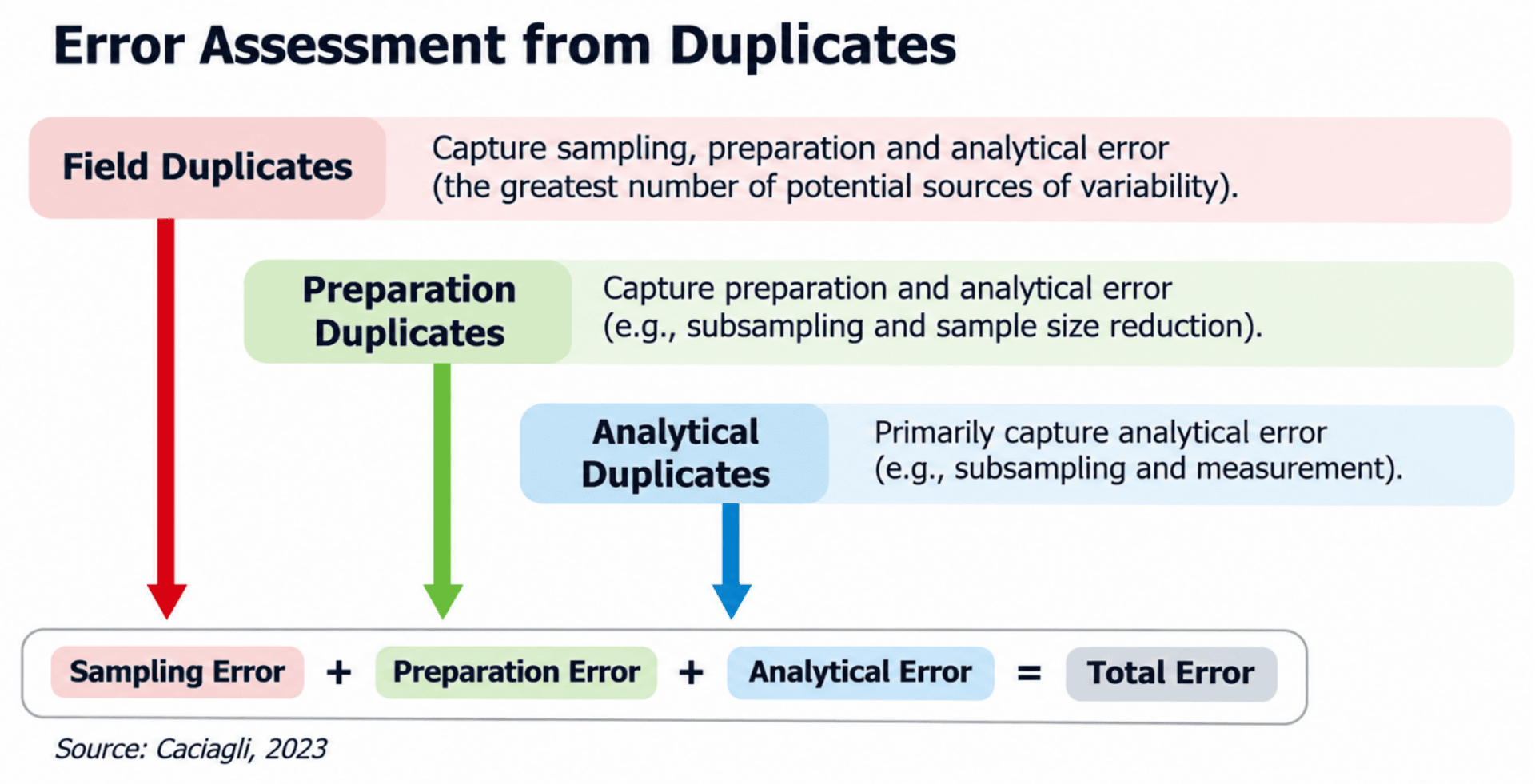
Figure 1. Sources of variability assessed by field, preparation and analytical duplicates.
Field duplicates capture the combined variability associated with sampling, preparation and analysis, including geological heterogeneity and sample representativity. Preparation duplicates assess variability introduced during crushing, splitting and sample size reduction, together with subsequent analytical variability. Analytical or pulp duplicates primarily assess variability associated with subsampling and analytical measurement. Each provides a different perspective on data quality, and their results should be interpreted accordingly.
Not Every QA/QC Failure Is a Laboratory Failure
A flagged QA/QC result should initiate an investigation, not automatically trigger a request for reanalysis. The first step is to establish whether the discrepancy represents an isolated result or a broader pattern. Reviewing results by analytical batch, sample type, geological unit and preparation method can help identify where problems originate.
The response should then be proportionate to the problem identified. Systematic analytical discrepancies may warrant laboratory investigation or reanalysis, while excessive variability in field duplicates may indicate a need to revisit sampling protocols or sample representativity. In other cases, the acceptance criteria themselves may need reconsideration. The objective is not simply to eliminate flagged results, but to understand their implications for the reliability and intended use of the data.
Better Duplicate Interpretation Starts With Better Questions
Effective QA/QC is not about making every number agree. It is about understanding where uncertainty enters the data, whether that uncertainty is acceptable and how it influences geological decisions. A single precision statistic or automated pass/fail report cannot replace an understanding of sampling procedures, analytical methods and the geology itself.
The purpose of duplicate testing is not simply to demonstrate compliance with predetermined thresholds. It is to provide meaningful information about sampling variability, preparation performance and analytical reliability. When we understand what each duplicate is actually testing, QA/QC becomes more than a reporting exercise. It becomes an essential part of building confidence in the geological interpretations that follow.
