
Geochemistry
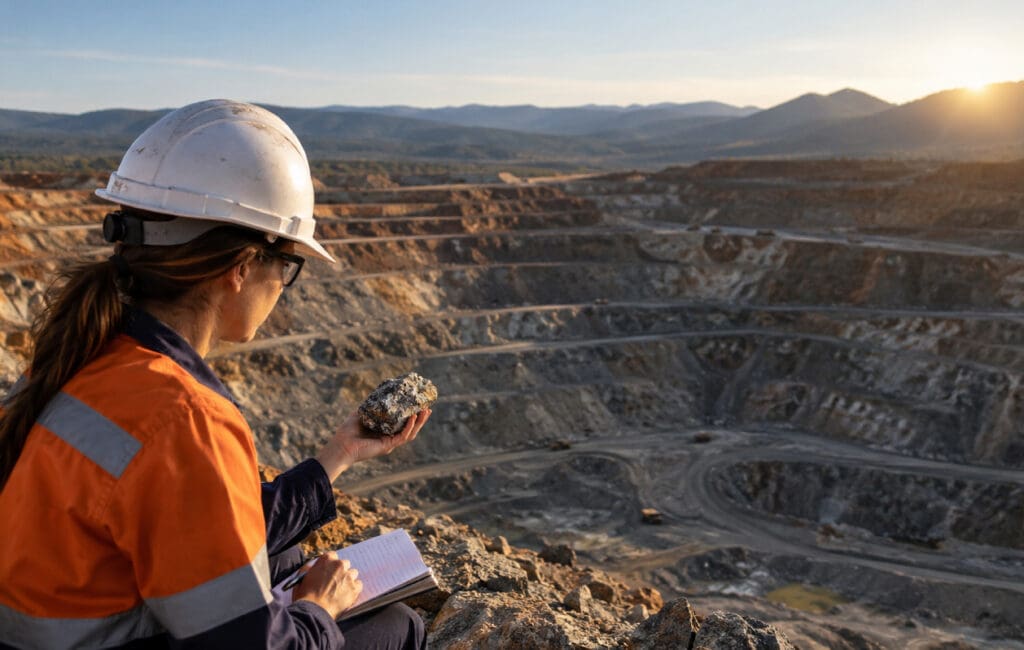
Mining projects are often compared by size, grade, commodity or economics. Yet two apparently similar orebodies can produce very different outcomes depending on how well their geological variability is understood. Grade and tonnage describe important characteristics of a deposit, but…
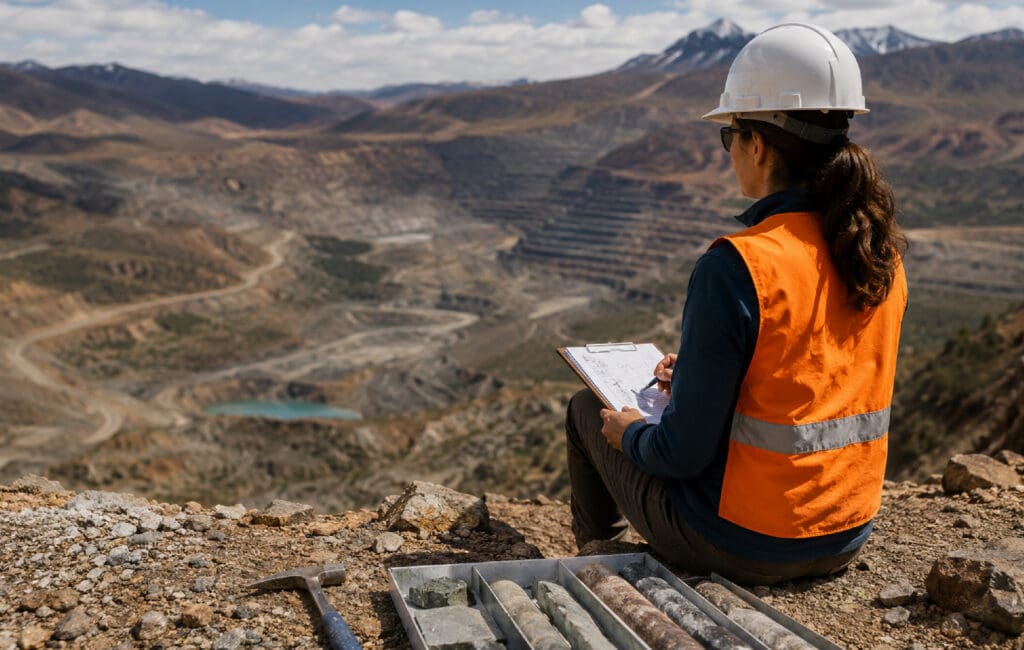
Mining has always been a business of uncertainty. Every investment, whether it supports an exploration program, advances a development project or acquires an operating mine, is ultimately based on one fundamental question: can this project create long-term value? While financial…
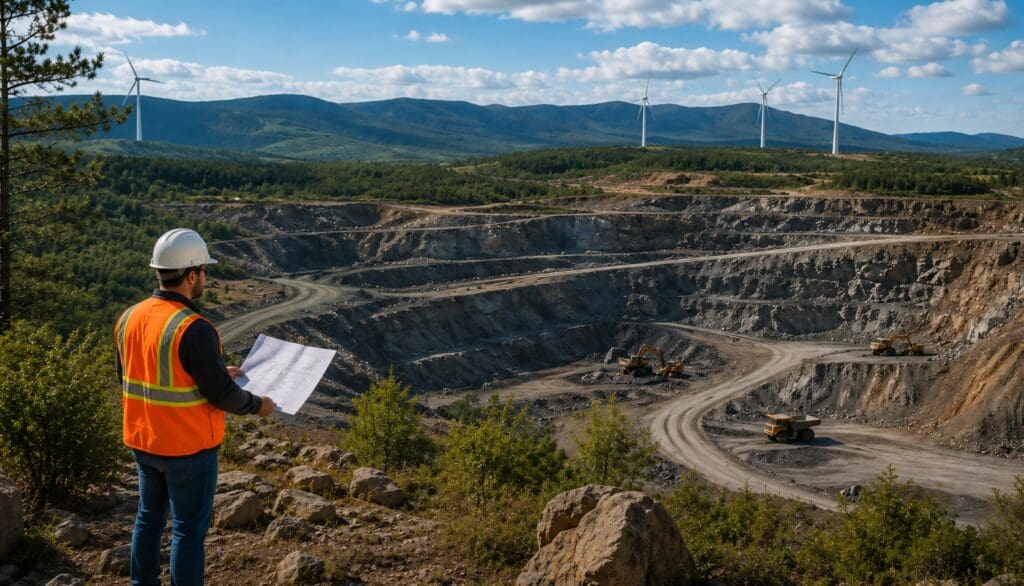
Developing a new mine still takes 20 to 30 years, despite growing demand for critical minerals. Discover why responsible mine development depends on collaboration between geoscientists, engineers, regulators, communities and industry, and how better communication can help accelerate the projects needed for the energy transition.

The conversation around critical minerals has never been louder. Governments are investing billions to secure supply chains. Mining companies are racing to discover the next lithium, rare earth or antimony deposit. Investors are searching for the projects that will power…
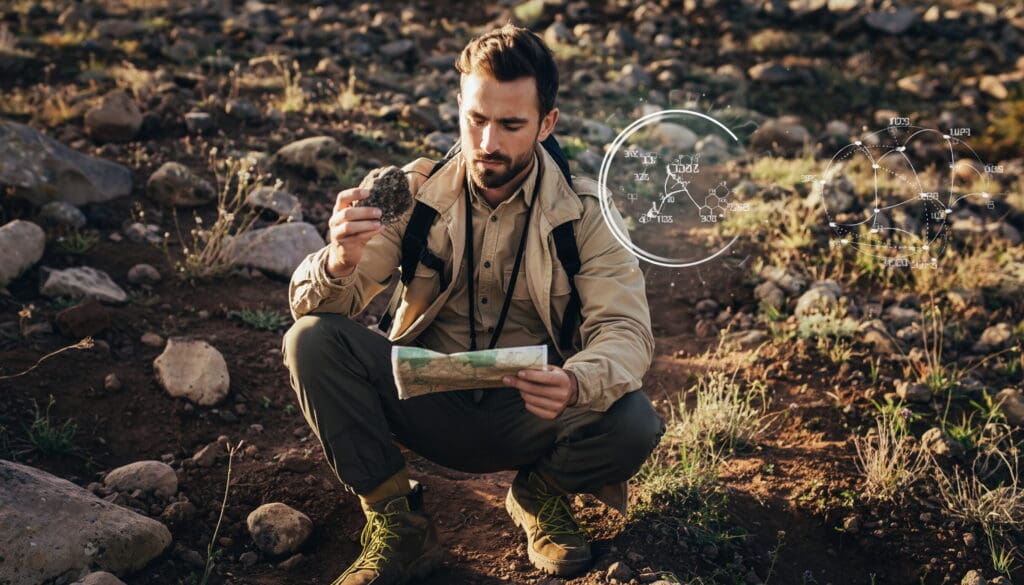
Not every geochemical anomaly leads to a successful discovery. Many anomalies that appear compelling on maps ultimately fail when drilled, not because the geochemistry was wrong, but because the geological processes behind the data were misunderstood. From lithological background and regolith transport to analytical methods, sampling practices and statistical interpretation, numerous factors can create misleading exploration targets. This article explores the ten most common reasons geochemical anomalies fail and explains why understanding geological context is just as important as identifying anomalous values. Whether you’re working with legacy datasets, designing exploration programs or applying machine learning to geochemical data, this guide highlights the critical importance of interpreting processes rather than simply chasing anomalies. By integrating geology, geochemistry and sound data interpretation, exploration teams can improve drill targeting, reduce costly mistakes and make more informed exploration decisions.
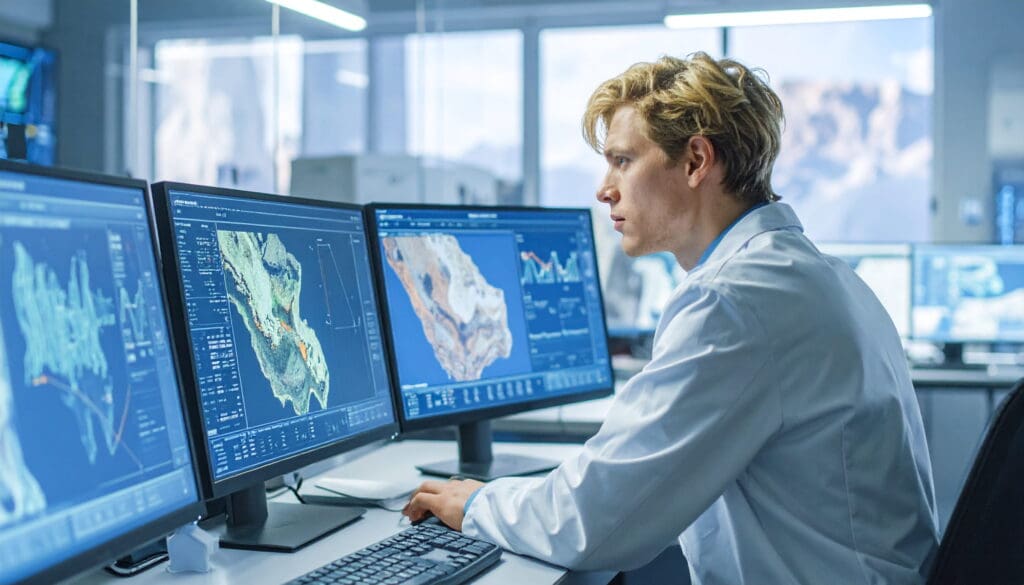
Machine learning has revolutionized many industries. In mineral exploration, it promises quicker discoveries and improved efficiency. Despite the
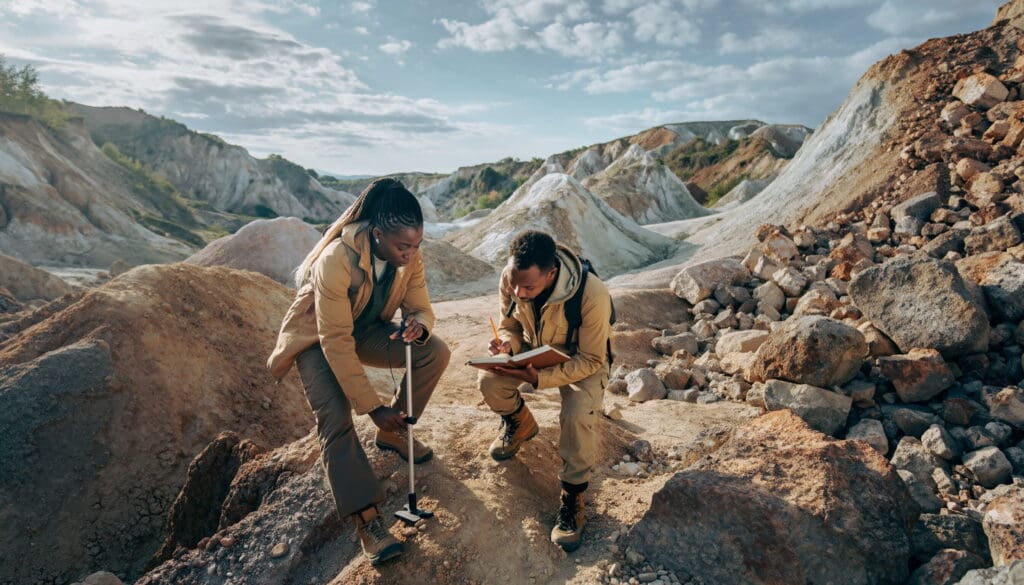
Exploring mineral deposits with confidence starts far before full-scale sampling efforts or large expenditures. For exploration teams, one of
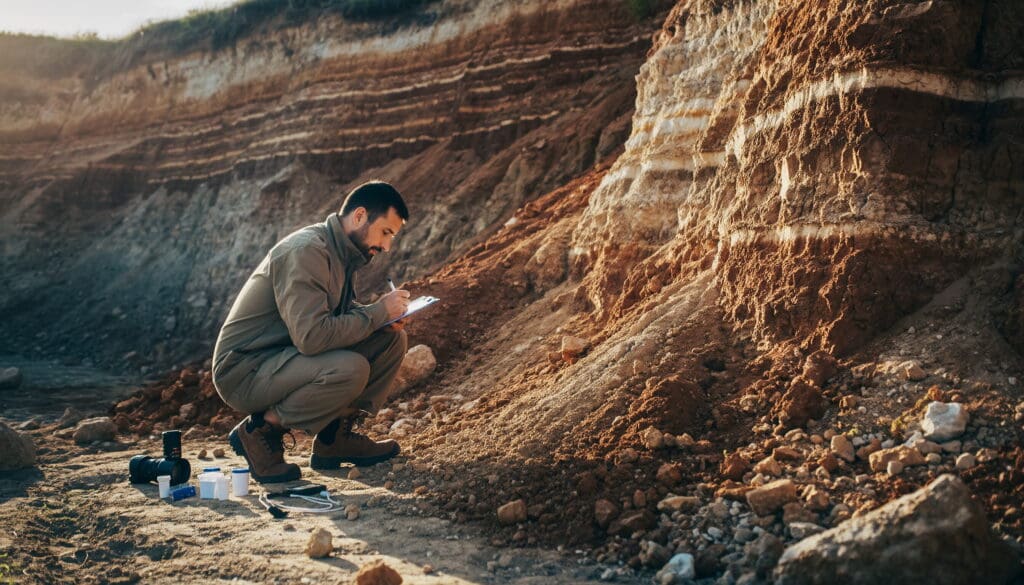
Exploration in covered terrains presents unique challenges for mineral exploration and mining projects. In many regions, thick regolith or
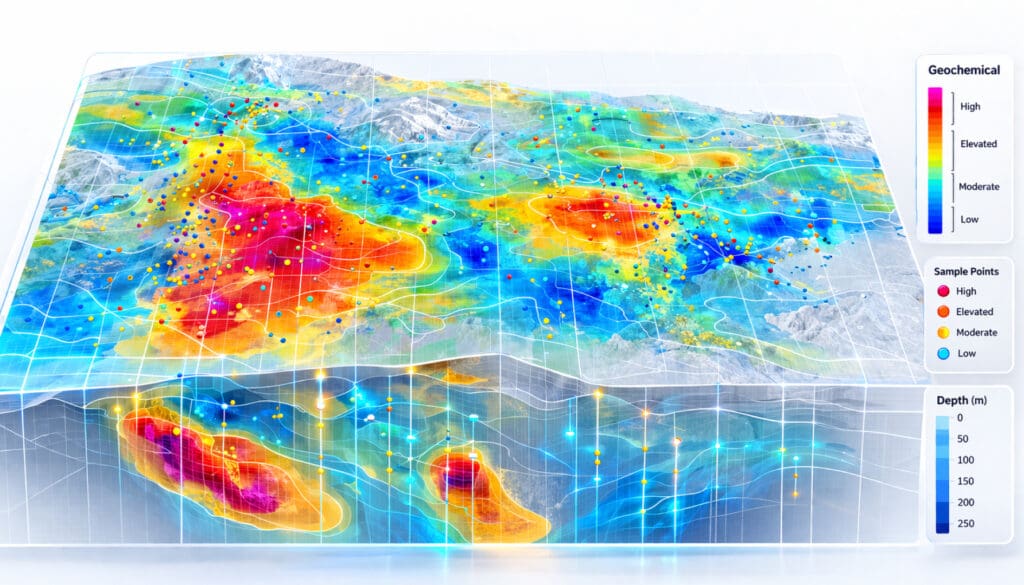
Spatial autocorrelation is often treated as confirmation in geochemistry, but clustered anomalies do not automatically indicate mineralization. This blog explores how Moran’s I, local spatial association, and variography help distinguish meaningful geological signal from patterns created by background spatial structure.
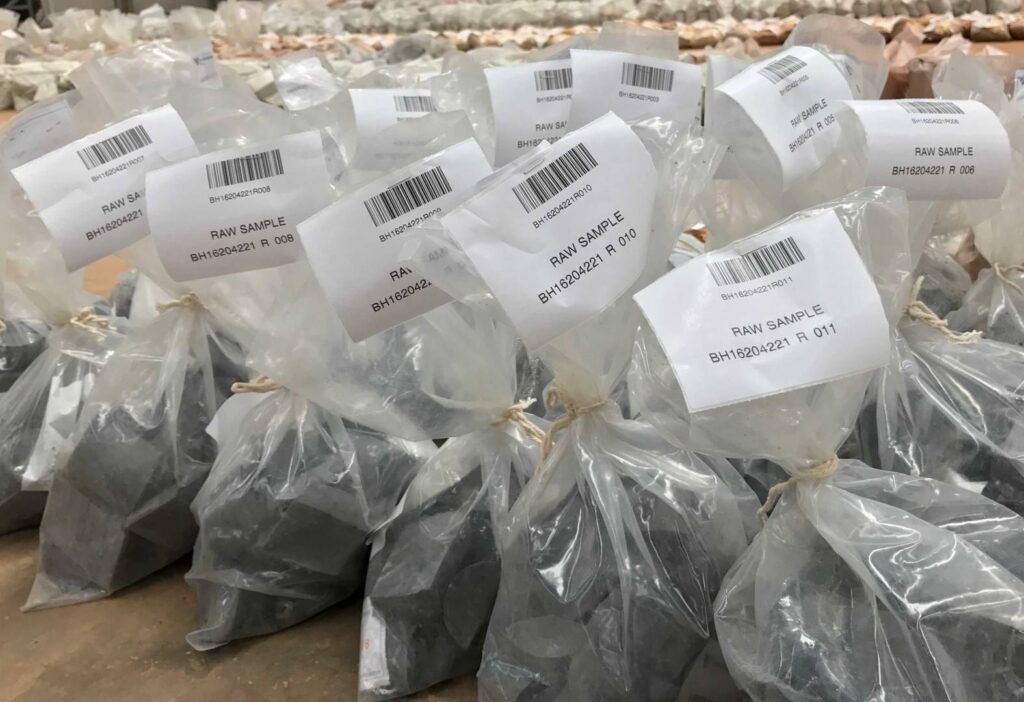
As we wrap up our series on geochemistry laboratories, we want to take a moment to thank you for following along. Your interest in elevating the standard of geochemical data management inspires us to keep sharing insights that make a…