
Find Out More About Geochemistry and Hyperspectral Data Analysis

Geochemical digests are the backbone of many geochemical analyses, providing critical insights into the composition of rocks, soils, and sediments. Selecting the right digest for your project is essential, as it dictates the elements you can analyze and the interpretability…
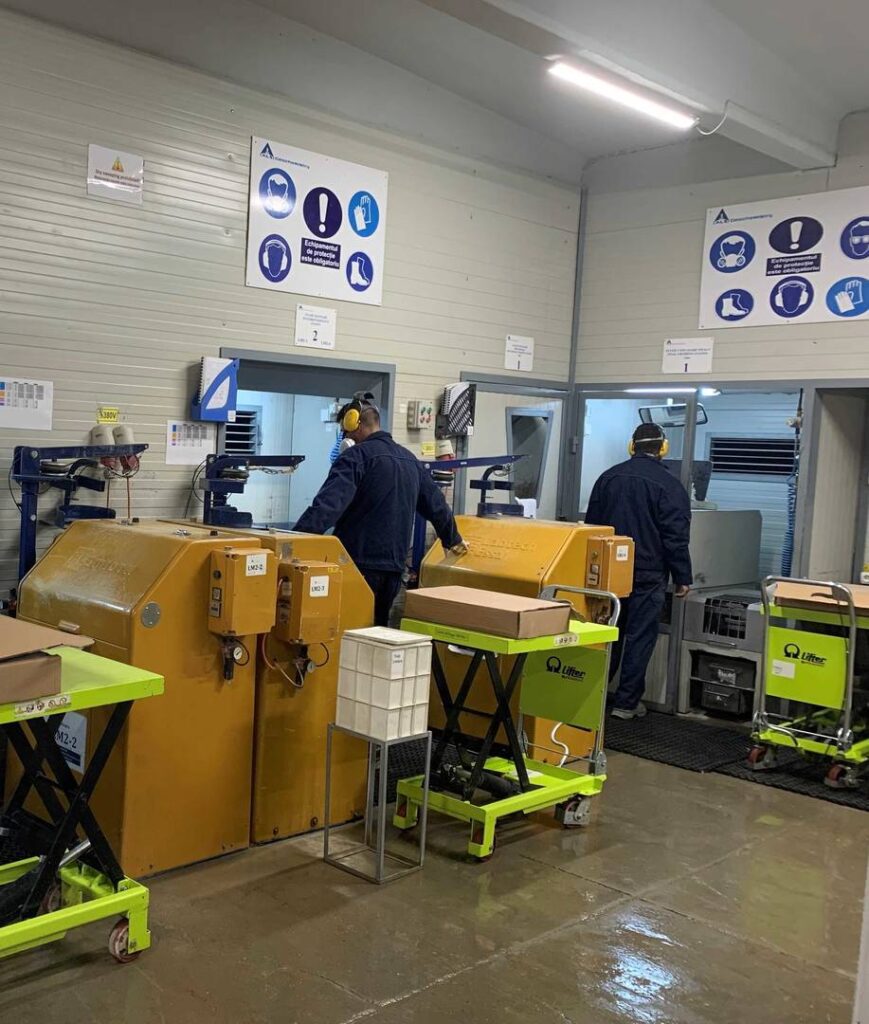
Crushing and grinding are essential steps when preparing drillcore samples for geochemical analysis. These processes break down the sample into smaller particles or fine powders, making it appropriate to analyze. However, contamination can creep in during these stages, potentially skewing…
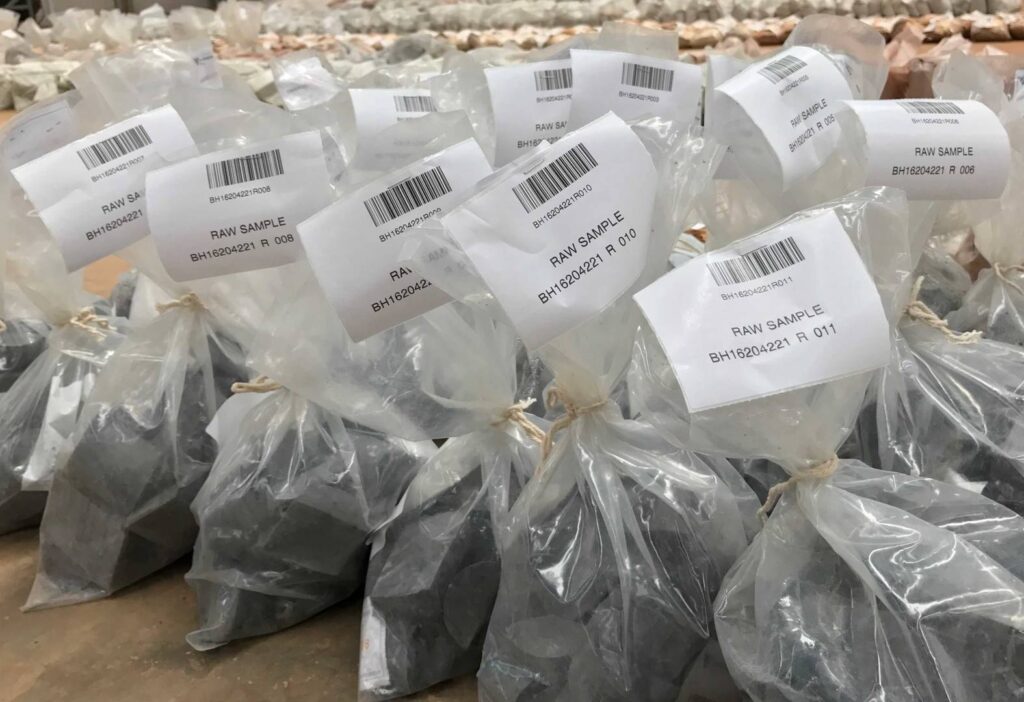
Geochemical sample preparation from drill core is a critical step in the laboratory process, ensuring that the resulting geochemical data are reliable and representative. Here, we outline the general process, considerations, and best practices for drill core sample preparation. 1.…

Geochemistry is a fundamental part of mineral exploration and mining, providing data essential for decision-making. Behind every data point is a detailed laboratory process. To clarify this process and highlight the work done in geochemical laboratories, LKI Consulting si launching…
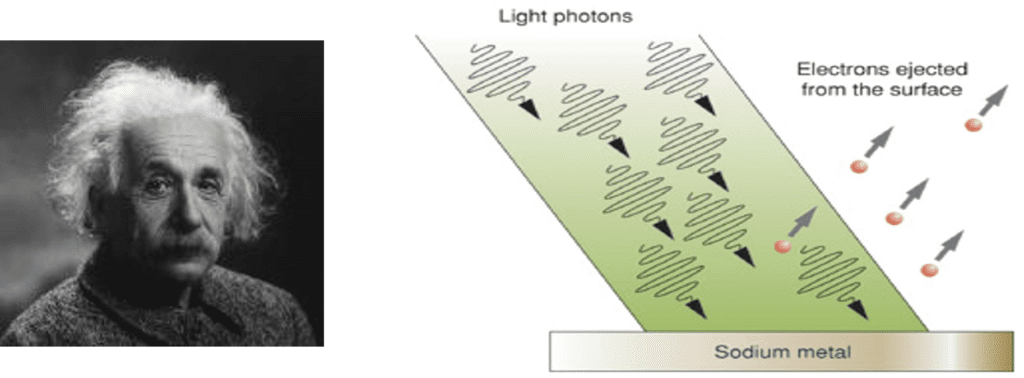
We started off this series with a glass prism and the creation of the visible spectrum (Herschel) and since progressed through theories of light behaving as a wave and light (Maxwell) behaving as a particle (Planck). Now, let’s conclude our…